


EYEA Perspectives
Addis Ababa · November 2027
Ethiopia welcomes the world at a pivotal moment for
global climate action

COP32 and Africa: From Climate Commitments to Climate Responsibility
As Africa prepares to host COP32 in Addis Ababa in 2027, the global climate conversation enters a critical moment. Across the continent, communities are already experiencing the effects of climate change—through drought, flooding, land degradation, and growing pressure on livelihoods. Hosting COP32 in Africa brings these lived realities closer to the centre of global climate decision-making.
For decades, Africa has been described mainly through the lens of vulnerability. Yet African countries and communities have long been adapting to environmental change using local knowledge, collective action, and resource stewardship. COP32 offers an opportunity to move beyond narratives of crisis and instead recognise Africa as a contributor to climate solutions and global leadership.


Why COP32 Matters for Africa’s Youth
Young people across Africa are growing up on the frontlines of climate change. From water scarcity to land degradation, climate impacts are shaping education, livelihoods, and future opportunities. Hosting COP32 in Addis Ababa is an opportunity to bring these realities into global climate discussions. COP32 can amplify youth voices, highlight the need for adaptation finance, and push for accountability in climate commitments. It is also a chance to showcase African-led solutions—from renewable energy to ecosystem restoration—and to ensure that young people are part of shaping a fair and sustainable climate future.

Ethiopia’s Strategic Role
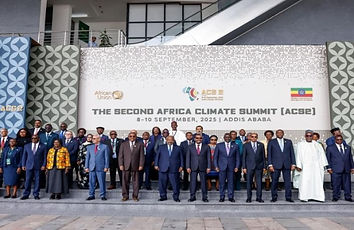
Ethiopia’s role as host of COP32 carries strategic significance beyond national boundaries. As the diplomatic capital of Africa and host to major continental and international institutions, Addis Ababa provides a natural platform for convening global dialogue. Ethiopia’s experience reflects broader African realities: high exposure to climate impacts, strong community mobilisation, and growing investment in renewable energy and ecosystem restoration. By hosting COP32, Ethiopia positions itself as a bridge between global climate processes and African priorities, helping ensure that discussions are informed by lived experience and grounded in implementation.
Repositioning Africa in Global Climate Action
Africa has often been framed primarily through vulnerability, despite contributing minimally to global emissions. Yet across the continent, communities have long adapted to environmental change through local knowledge, collective action, and stewardship of natural resources. COP32 creates space to reposition Africa as a contributor to global climate solutions. By elevating African experiences and practices, the conference can help shift global narratives—from crisis and dependency toward leadership, innovation, and responsibility rooted in lived realities.

Climate Finance That Responds to Real Needs
For many African countries and communities, access to climate finance determines whether adaptation and resilience efforts can move forward. While mitigation remains important, the urgency of adaptation is already clear on the ground. COP32 is expected to prioritise climate finance mechanisms that are predictable, accessible, and aligned with real needs—particularly for adaptation. This includes addressing barriers that prevent communities and local actors from accessing funding and ensuring that resources reach those most affected by climate impacts.
Loss and Damage: From Commitment to Action
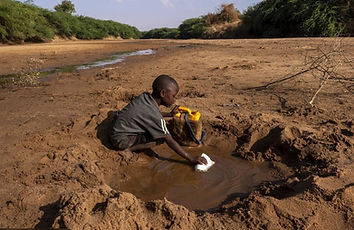
Across Africa, climate-related losses—of land, livelihoods, and ecosystems—are already occurring. The establishment of the loss and damage fund marked an important step, but its value depends on effective implementation. COP32 provides an opportunity to focus on making loss and damage support operational, ensuring timely, fair, and transparent access for affected communities. In this context, loss and damage is not charity—it is a matter of climate justice and responsibility.

Climate Action Under Financial Constraints
High levels of public debt limit the ability of many African countries to invest in climate resilience and sustainable development. This constraint affects long-term planning, even where climate solutions are well understood. Discussions at COP32 may highlight innovative approaches such as debt-for-climate swaps, linking debt relief to investments in renewable energy, ecosystem restoration, and climate-resilient livelihoods. These approaches aim to unlock resources for climate action while addressing structural financial barriers.

African-Led Climate Solutions in Practice
Hosting COP32 allows Ethiopia and Africa to showcase practical climate solutions already underway. Initiatives in reforestation, renewable energy, and community mobilisation demonstrate that environmental protection and economic development can advance together. These experiences challenge assumptions that development must rely on carbon-intensive pathways and provide practical lessons that can inform global climate action.
Accountability Beyond Pledges
A persistent challenge in global climate negotiations has been the gap between commitments and implementation. Communities most affected by climate change are often the first to experience the consequences of delayed action. COP32 is expected to emphasise accountability, transparency, and delivery—supporting a shift from symbolic pledges to measurable outcomes. The goal is to ensure that global commitments lead to tangible improvements in resilience, livelihoods, and environmental protection.
COP32 Ethiopia
Advancing Climate Justice. Strengthening African Leadership. Delivering Action.